 Book a Call
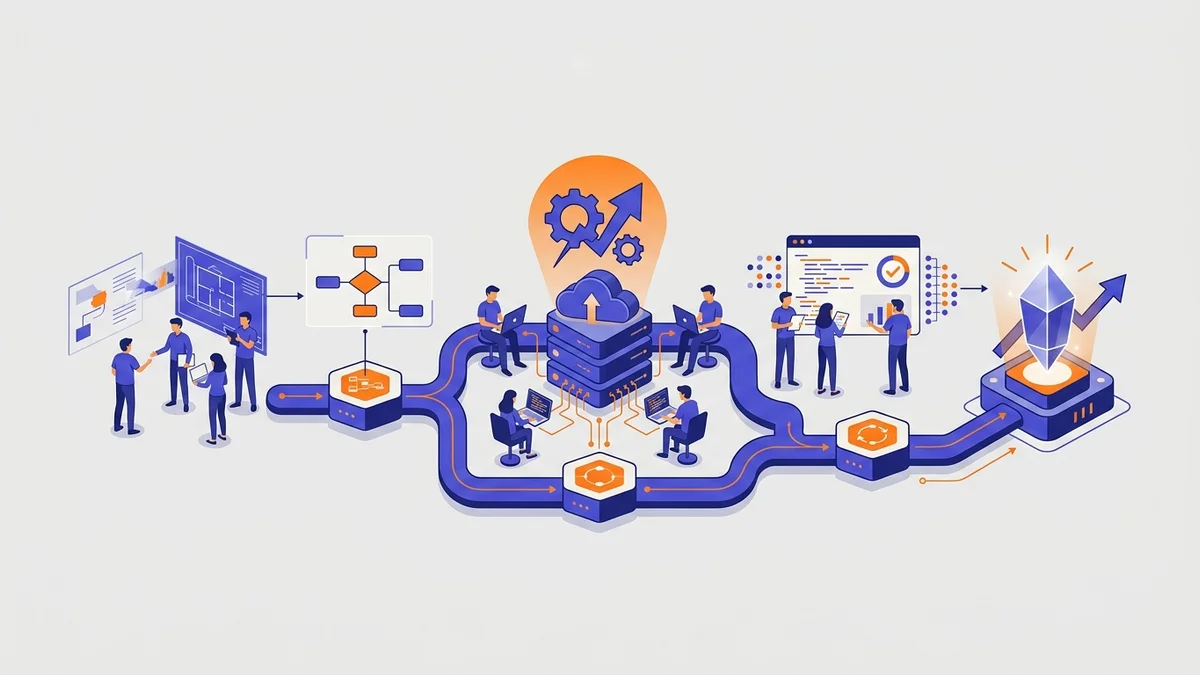
Enterprise Software Development: An Overview
Enterprise software development is a specialized field of software engineering that focuses on creating complex systems for large businesses and organizations. Unlike standard software development, which targets individual users, enterprise software is designed to meet specific business needs, handle vast amounts of data, and integrate with existing systems seamlessly. This type of software includes systems like Enterprise Resource Planning (ERP), Customer Relationship Management (CRM), and Supply Chain Management (SCM), which are essential for automating workflows and enhancing operational efficiency.
Key Characteristics of Enterprise Software
- Scalability: Enterprise software must be scalable to accommodate growing user bases and increasing data volumes.
- Customization: Highly customizable to meet precise business needs.
- Integration: Often requires integration with existing systems and legacy technologies.
- Security: Must adhere to stringent security standards to protect sensitive business data.
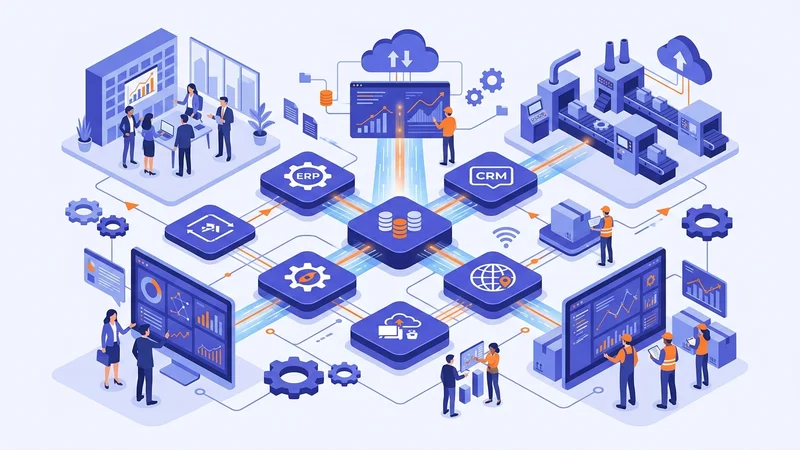
The Enterprise Software Development Process
The development process for enterprise software is more complex and time-consuming compared to standard software development. It involves several key stages:

1. Needs Analysis and Requirements Engineering
This initial stage involves analyzing the enterprise's current IT environment, documenting business processes, and eliciting specific business needs. It requires understanding the company's strategic goals and IT budgets to inform architectural and technical decisions.
2. System Design and Architecture
In this phase, technical requirements are defined, and the architectural style of the software is determined. Common architectures include microservices or service-based designs, which allow for flexibility and scalability.
3. User Experience (UX) and User Interface (UI) Design
Creating a user-friendly interface is crucial for ensuring that users can effectively utilize the software. This stage focuses on designing intuitive and integrated interfaces that enhance user experience.
4. Development and Testing
The development phase involves building the software, often starting with a Minimum Viable Product (MVP) to ensure core features meet business needs. Comprehensive testing is essential to identify and fix bugs before deployment.
5. Deployment and Integration
After development, the software is deployed and integrated with existing systems. This stage requires careful planning to minimize downtime and ensure smooth transitions.
6. Maintenance and Evolution
Post-deployment, the software undergoes continuous maintenance and iterative improvements based on user feedback and evolving business needs.
Challenges in Enterprise Software Development
Enterprise software development faces several challenges, including:
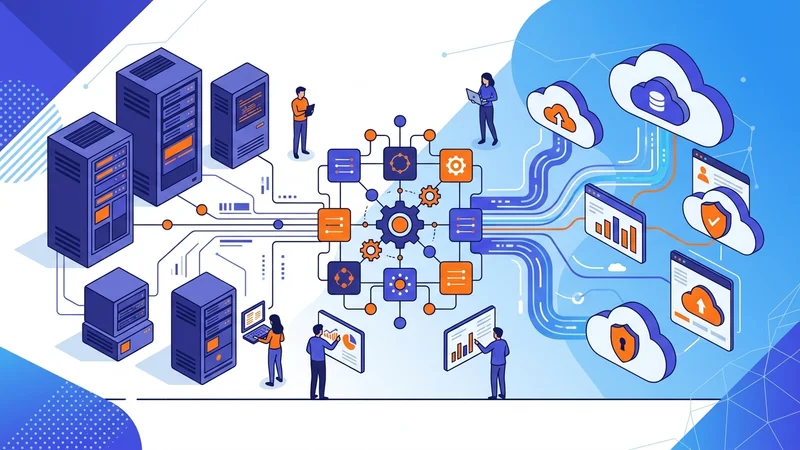
Legacy System Integration
Many enterprises rely on legacy systems that are difficult to integrate with modern technologies due to compatibility issues. Addressing this requires a strategic modernization plan to migrate functionalities to newer systems.
Scalability and Performance
Ensuring that the software can scale efficiently while maintaining performance is critical. This involves designing architectures that can handle increased data volumes and user bases without compromising speed.
Security and Compliance
Enterprise software must adhere to stringent security standards and regulatory compliance requirements to protect sensitive business data.
Best Practices for Successful Enterprise Software Development
To ensure the success of enterprise software projects, several best practices should be followed:
1. Scalability and Integration
Design software with scalability in mind and ensure seamless integration with existing systems using industry-standard protocols.
2. Usability and User Experience
Prioritize usability to ensure that users can navigate the software effectively, maximizing its benefits.
3. Detailed Requirements Specification
Develop a comprehensive Software Requirements Specification (SRS) document to guide the development process and prevent scope creep.
4. Continuous Iteration
Implement an iterative development process that incorporates user feedback to continuously improve the software.
5. Expertise and Resources
Engage experienced professionals with the requisite expertise to handle complex enterprise projects effectively.
By understanding these aspects and adopting best practices, businesses can leverage enterprise software development to enhance their operational efficiency, productivity, and competitiveness in the market.
Written by

Frequently Asked Questions
Enterprise software development is a specialized field of software engineering focused on creating complex systems for large businesses and organizations to support critical business operations and enhance efficiency.
Enterprise software is characterized by its scalability, customization, integration capabilities, and stringent security standards.
Enterprise software often includes systems like Enterprise Resource Planning (ERP), Customer Relationship Management (CRM), and Supply Chain Management (SCM).
The main stages include needs analysis, system design, UX/UI design, development and testing, deployment and integration, and maintenance and evolution.
Challenges include integrating with legacy systems, ensuring scalability and performance, and meeting security and compliance requirements.
Best practices include designing for scalability and integration, prioritizing usability, developing detailed requirements specifications, implementing continuous iteration, and engaging experienced professionals.
Enterprise software development is important for enhancing operational efficiency, productivity, and competitiveness in the market by automating workflows and streamlining processes.
Enterprise software development differs in its scale, complexity, and the need for extensive integration and security measures, as it supports large-scale business operations.
Large corporations, government agencies, educational institutions, and even small to medium-sized businesses can benefit from customized enterprise software solutions.
Customization is crucial in enterprise software development as it allows solutions to be tailored to meet specific business needs and workflows.
By partnering with us, you can expect improved efficiency, increased competitiveness, enhanced customer experiences, and the ability to adapt and thrive in a rapidly evolving digital landscape. Our goal is your success.
Yes, we tailor our services to meet the unique needs of various industries, ensuring that solutions are aligned with specific regulatory and operational requirements.
We have done projects in the most diverse industries possible, including but not limited to Services, Finance, Manufacturing, Health, Education, Food & Beverage and Technology.
Yes, our solutions are highly customizable to meet your specific requirements and needs. We work closely with our clients to deliver tailored solutions.
To begin your journey with Reyem Technologies, simply reach out to us through our email or book a call with us. We'll be happy to discuss your needs and explore how our services can benefit your organization's goals.
You can contact us through the contact form on our website or by sending an email to contact@reyem.tech .
New Articles
Mar 14, 2025
Enterprise Software Development: A Comprehensive Guide
A guide to enterprise software development — process, challenges, and best practices for building tailored solutions that boost efficiency.
Read article
Apr 25, 2025
Enhancing Business Efficiency: IT Performance Optimization Strategies
IT performance optimization strategies — key metrics and techniques to boost speed, efficiency, and scalability of your infrastructure.
Read article
May 05, 2025
Unlocking Efficiency: The Power of IT Automation
How IT automation boosts productivity, cuts costs, and improves reliability — applications and benefits for modern businesses.
Read article