 Book a Call
Introduction to IT Outsourcing#
In today's fast-paced business environment, companies are constantly seeking ways to optimize their operations, reduce costs, and enhance their competitive edge. One strategy that has gained significant traction is IT outsourcing. This involves hiring external service providers to manage and deliver IT-enabled business processes, applications, and infrastructure solutions. IT outsourcing allows businesses to leverage specialized expertise without the need for in-house talent, thereby focusing on core business development while benefiting from cost savings and increased efficiency.

IT outsourcing is not limited to traditional IT services; it also encompasses cloud-enabled outsourcing, utility services, and software as a service (SaaS). This flexibility in service models enables companies to tailor their outsourcing strategies to meet specific business needs and goals.
Benefits of IT Outsourcing#
1. Cost Reduction and Efficiency Gains#
One of the primary advantages of IT outsourcing is the potential for significant cost savings. By outsourcing IT operations, companies can transform fixed costs into variable costs, allowing for more flexible budget planning. This approach eliminates the need to invest in infrastructure, training, and personnel management, which are typically handled by the outsourcing provider.
2. Enhanced Scalability and Flexibility#
IT outsourcing provides businesses with the ability to scale their operations quickly in response to changing market conditions. This flexibility is crucial for companies facing fluctuating demand or rapid growth, as it allows them to adapt without the burden of maintaining a large in-house IT department.
3. Access to Specialized Talent#
The global talent shortage in the tech sector has made it challenging for companies to find the right IT professionals. IT outsourcing offers access to a broader pool of skilled experts worldwide, ensuring that businesses can tap into specialized knowledge and expertise that might be scarce locally.
4. Improved Productivity and Focus on Core Business#
By outsourcing non-core IT functions, companies can redirect their resources and focus on strategic business initiatives. This strategic outsourcing enables organizations to enhance their productivity and competitiveness by leveraging external expertise for operational tasks.
5. Enhanced Security and Accountability#
Maintaining data security is a critical concern for businesses. IT outsourcing companies often have robust security measures in place, ensuring that client data is protected with the latest technologies and compliance standards. This not only enhances security but also shifts the responsibility for data protection to the outsourcing provider.
Book a call
Models of IT Outsourcing#
IT outsourcing can be categorized into several models, each with its own advantages and considerations:
Onshore Outsourcing#
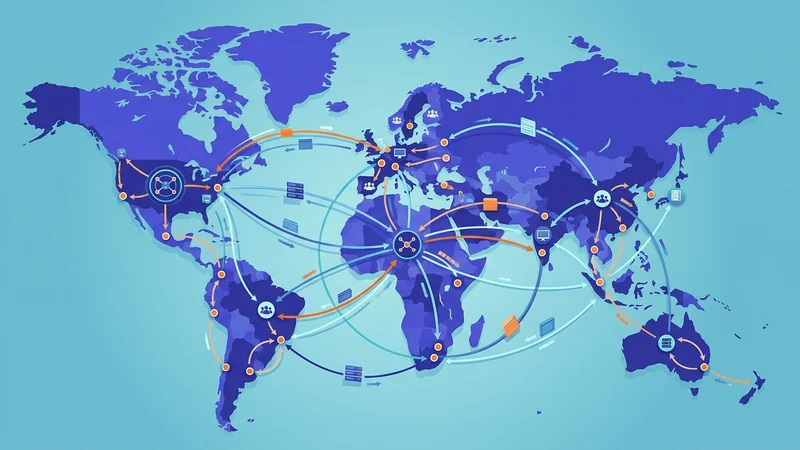
Onshore outsourcing involves partnering with service providers located within the same country as the hiring company. This model offers the benefits of proximity, shared time zones, and cultural alignment, making communication and collaboration easier. However, the talent shortage can limit the availability of suitable onshore providers.
Nearshore Outsourcing#
Nearshore outsourcing involves working with companies in neighboring countries. This model combines the benefits of proximity with cost savings, as it allows for easier travel and communication while leveraging lower labor costs in nearby regions.
Offshore Outsourcing#
Offshore outsourcing involves partnering with service providers in distant countries, often with significant cost savings due to lower labor costs. However, this model can present challenges related to time zones and cultural differences.
Cloud Computing and Managed Services#
Cloud computing models, such as Infrastructure as a Service (IaaS), Platform as a Service (PaaS), and Software as a Service (SaaS), provide virtualized IT services. Managed services involve outsourcing network management functions, offering comprehensive support for IT infrastructure.
Implementing IT Outsourcing Successfully#
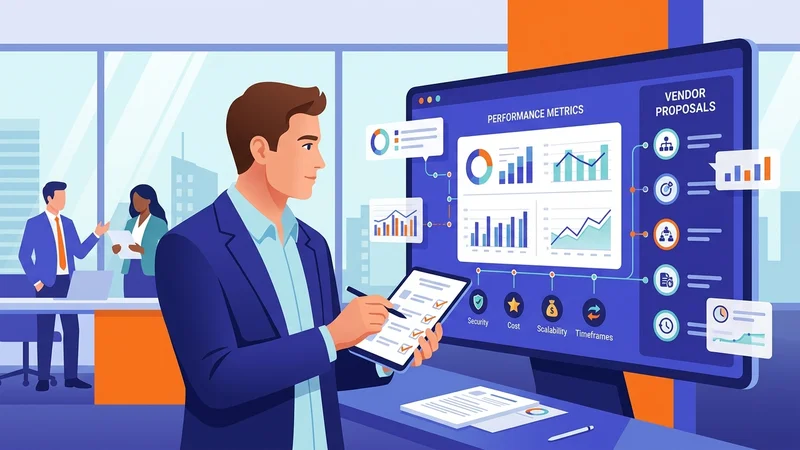
To maximize the benefits of IT outsourcing, businesses must carefully select the right outsourcing model and provider. This involves assessing project requirements, evaluating vendor expertise, and ensuring alignment with business goals. Effective communication and governance are also crucial to maintaining a successful outsourcing relationship.
Choosing the Right Project for Outsourcing#
Not all projects are suitable for outsourcing. Companies should identify tasks that are not core to their business operations and have clear outcomes. This approach ensures that internal teams can focus on strategic initiatives while outsourcing complements their efforts.
Evaluating Outsourcing Providers#
When selecting an outsourcing provider, it's essential to consider factors beyond cost. Businesses should evaluate the provider's expertise, service quality, and ability to meet specific business needs. Creating a balanced shortlist of potential vendors can help in making an informed decision.
Future of IT Outsourcing#
The future of IT outsourcing looks promising, driven by the increasing adoption of remote work and the ongoing talent shortage in the tech sector. As companies continue to seek cost-effective solutions that enhance their operational efficiency, IT outsourcing is poised to play a critical role in business strategy and growth.
In this evolving landscape, businesses must remain adaptable and open to leveraging external expertise to drive innovation and competitiveness. By embracing IT outsourcing as a strategic tool, companies can navigate the challenges of the digital age while positioning themselves for success in a rapidly changing market.
Written by

Mario Meyer is the founder of Reyem Tech and a fractional CTO for owner-run companies in Canada and the US. He has 25+ years of executive and hands-on engineering experience across Laravel, Rails, React, AWS, Azure and Kubernetes, and works with owners on technology strategy, due diligence and getting stuck software projects back on track.
Frequently Asked Questions
What is IT outsourcing?
IT outsourcing involves hiring external service providers to manage and deliver IT-enabled business processes, applications, and infrastructure solutions, allowing businesses to leverage specialized expertise without in-house talent.
What are the primary benefits of IT outsourcing?
The primary benefits include cost reduction, enhanced scalability and flexibility, access to specialized talent, improved productivity, and enhanced security and accountability.
What models of IT outsourcing are available?
The models include onshore, nearshore, and offshore outsourcing, as well as cloud computing and managed services.
How can businesses implement IT outsourcing successfully?
To implement IT outsourcing successfully, businesses must carefully select the right outsourcing model and provider, assess project requirements, evaluate vendor expertise, and ensure effective communication and governance.
What factors should be considered when choosing an outsourcing provider?
When choosing an outsourcing provider, businesses should consider factors beyond cost, including the provider's expertise, service quality, and ability to meet specific business needs.
What is the future outlook for IT outsourcing?
The future of IT outsourcing looks promising, driven by the increasing adoption of remote work and the ongoing talent shortage in the tech sector, making it a critical tool for business strategy and growth.
Can IT outsourcing enhance business productivity?
Yes, IT outsourcing can enhance business productivity by allowing companies to focus on core business functions while outsourcing non-core IT tasks to external experts.
What are some common IT services that can be outsourced?
Common IT services that can be outsourced include software development, technical support, network management, cybersecurity, cloud services, data backup and recovery, and IT consulting.
How does IT outsourcing help businesses scale?
IT outsourcing helps businesses scale by providing the flexibility to adjust IT services based on changing business needs, allowing companies to scale up during peak times or scale down during slower periods without the complexities of managing full-time staff.
What are some potential risks associated with IT outsourcing?
Potential risks include communication problems, quality control issues, security and privacy risks, hidden costs, and dependence on service providers, which can lead to a loss of control over IT functions.