 Book a Call
The digital revolution has brought about dramatic changes in the way businesses operate and engage with their customers. From digital marketing strategies to online collaboration tools, digital transformation has become essential for companies across all industries. As executives, it is crucial to evaluate whether your organization is fully prepared for this digital revolution and the opportunities it presents.
Embrace the Power of Data#
Data is the goldmine of the digital era. It provides valuable insights into customer preferences, market trends, and operational efficiencies. Make sure your business is equipped with the right data analytics tools to unleash the full potential of your data. Embracing a data-driven culture can give you a competitive edge and empower you to make smarter decisions.

Key Actions to Leverage Data:#
- Implement advanced analytics and business intelligence tools.
- Cultivate a culture where data-driven decision-making is the norm.
- Regularly update and cleanse your data to maintain its accuracy and relevance.
Invest in a Robust IT Infrastructure#
To navigate the digital landscape, a strong and secure IT infrastructure is essential. Ensuring that your company has the right hardware, software, and network capabilities is crucial for seamless digital operations. By investing in the right technology infrastructure, you can enhance productivity, collaboration, and customer experience.

Steps to Strengthen IT Infrastructure:#
- Regularly evaluate and upgrade your hardware and software.
- Ensure high-speed, reliable internet connectivity.
- Implement cloud-based solutions for scalability and flexibility.
Entrench Customer Centricity#
Digital transformation emphasizes the importance of understanding and meeting customer expectations. The digital revolution presents an opportunity to craft personalized experiences and build lasting relationships with your customers. Make sure your business is equipped with CRM systems, digital marketing tools, and customer feedback mechanisms to create a customer-centric organization.
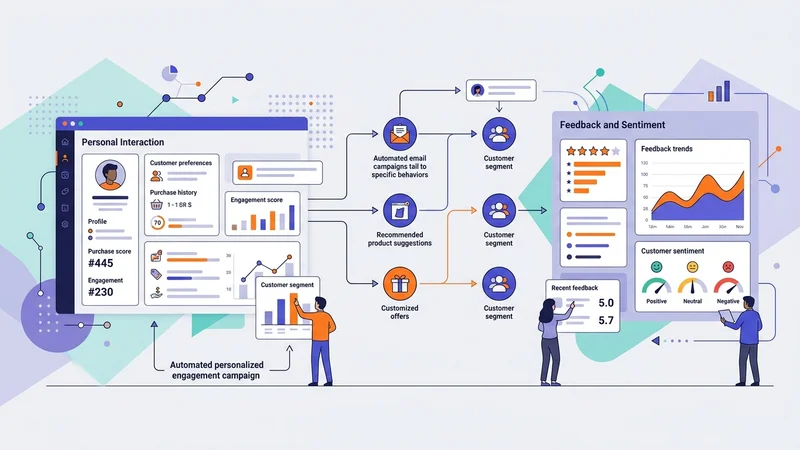
Strategies to Enhance Customer Centricity:#
- Utilize CRM systems for better customer relationship management.
- Engage customers through personalized digital marketing campaigns.
- Regularly gather and act on customer feedback.
Book a call
Embrace Agile Methods#
The digital age demands flexibility and adaptability. Agile methodologies, such as SCRUM and Kanban, enable teams to respond quickly to changing market conditions and evolving customer needs. By embracing agile frameworks, your organization can drive innovation, improve time-to-market, and foster continuous improvement.
Implementing Agile Practices:#
- Train teams in agile methodologies like SCRUM and Kanban.
- Adopt a flexible approach to project management.
- Encourage cross-functional collaboration and rapid iteration.
Ensure Cybersecurity Readiness#
With increased reliance on technology comes the need for robust cybersecurity measures. Protecting your organization from cyber threats is paramount in today's digital landscape. Ensure that your business has a robust cybersecurity strategy in place, including employee training, regular security audits, and strict access controls.
Cybersecurity Best Practices:#
- Conduct regular cybersecurity training for all employees.
- Implement multi-factor authentication and strong password policies.
- Regularly update and patch systems to protect against vulnerabilities.
Promote a Digital Mindset#
The digital revolution is not just about technology; it's also about mindset and culture. Foster a digital-first culture within your organization by encouraging collaboration, experimentation, and a willingness to adapt to new technologies. Encourage employees to actively seek out digital opportunities and embrace a growth mindset to drive innovation.
Cultivating a Digital Culture:#
- Encourage continuous learning and upskilling in digital technologies.
- Foster an environment of innovation and experimentation.
- Recognize and reward digital initiatives and successes.
Partner With Technology Experts#
Navigating the digital landscape can be complex. Consider partnering with technology strategy and solutions providers like Reyem Technologies to help your organization drive digital transformation. Technology experts bring invaluable insights and expertise, helping you stay at the forefront of the digital revolution.
Benefits of Partnering with Tech Experts:#
- Gain access to specialized knowledge and expertise.
- Stay updated with the latest digital trends and technologies.
- Leverage external insights for strategic decision-making.
In conclusion, the digital revolution has the power to revolutionize your business, but only if you are prepared. Evaluate your organization's readiness and take the necessary steps to embrace digital transformation. By embracing data, investing in infrastructure, prioritizing customer centricity, adopting agile practices, fortifying cybersecurity, promoting a digital mindset, and partnering with technology experts, you can position your business for success in the digital age.
A practical readiness check#
Review five areas and mark each one clear, partial, or unknown: business direction (the outcome and decision owner); process and data (the current workflow and trusted records); technology (fit, integrations, and capacity); security and continuity (access, backups, and recovery); and people (who is affected and what support they need). Prioritize an unknown when it touches a business-critical task or a committed deadline. Turn it into a named discovery action with an owner. This is a way to find the next useful question, not a score or benchmark; resolve the important gaps before choosing tools or setting a transformation sequence.
Written by

Mario Meyer is the founder of Reyem Tech and a fractional CTO for owner-run companies in Canada and the US. He has 25+ years of executive and hands-on engineering experience across Laravel, Rails, React, AWS, Azure and Kubernetes, and works with owners on technology strategy, due diligence and getting stuck software projects back on track.
Frequently Asked Questions
What is the main topic of the article?
The main topic of the article is how businesses can prepare for and leverage the digital revolution to enhance their operations and customer engagement.
What role does data play in digital transformation?
Data is crucial in digital transformation as it provides insights into customer preferences, market trends, and operational efficiencies, enabling businesses to make informed decisions.
Why is a robust IT infrastructure important?
A robust IT infrastructure is essential for seamless digital operations, enhancing productivity, collaboration, and customer experience through the right hardware, software, and network capabilities.
How can businesses enhance customer centricity?
Businesses can enhance customer centricity by utilizing CRM systems, engaging in personalized digital marketing, and regularly gathering and acting on customer feedback.
What are the benefits of adopting agile methodologies?
Adopting agile methodologies allows businesses to respond quickly to changing market conditions, drive innovation, improve time-to-market, and foster continuous improvement.
Why is cybersecurity readiness important in the digital age?
Cybersecurity readiness is important because it protects businesses from cyber threats, which are increasingly prevalent with the reliance on technology.
How can a digital mindset be promoted within an organization?
A digital mindset can be promoted by encouraging continuous learning, fostering an environment of innovation and experimentation, and recognizing digital initiatives and successes.
What are the benefits of partnering with technology experts?
Partnering with technology experts provides access to specialized knowledge, keeps businesses updated with the latest trends, and offers external insights for strategic decision-making.
What is the main conclusion of the article?
The main conclusion is that embracing digital transformation is crucial for business success in the digital age, and this involves leveraging data, infrastructure, customer centricity, agile practices, cybersecurity, a digital mindset, and partnerships with technology experts.
What are the key actions to leverage data effectively?
Key actions include implementing advanced analytics tools, cultivating a data-driven decision-making culture, and regularly updating and cleansing data for accuracy and relevance.