 Book a Call
Introduction to Hybrid Cloud#
In today's fast-paced digital landscape, businesses are constantly seeking ways to optimize their IT infrastructure for greater flexibility, scalability, and cost efficiency. One approach that has gained significant traction is the hybrid cloud model. This computing environment combines the strengths of on-premises private clouds with the scalability and versatility of public clouds, allowing organizations to deploy workloads across different environments based on specific needs.
The hybrid cloud setup is particularly beneficial for companies in highly regulated industries, as it enables them to maintain sensitive data on-premises while leveraging public cloud resources for less critical operations. This flexibility is crucial for meeting regulatory requirements while still benefiting from the scalability and cost-effectiveness of cloud computing.
How Hybrid Clouds Work#
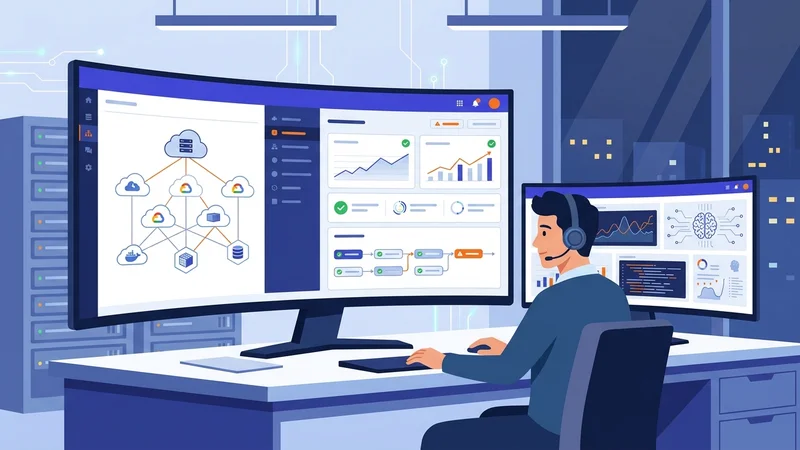
Hybrid clouds operate by integrating on-premises infrastructure with public cloud services, often from multiple providers. This integration requires robust networking, typically using WANs, VPNs, or dedicated interconnects, to ensure seamless communication between environments. Key components of a hybrid cloud include:
- Public Cloud Services: These are provided by vendors like AWS, Azure, or Google Cloud, offering scalable IaaS, PaaS, and SaaS solutions.
- Private Cloud Infrastructure: This includes on-premises data centers or edge locations, which are often used for mission-critical applications or sensitive data.
- Integration and Orchestration Tools: These tools, such as Kubernetes or cloud-native platforms, manage and coordinate resources across different environments, ensuring consistent deployment practices.

Book a call
Benefits of Hybrid Cloud#
The hybrid cloud model offers several benefits that make it an attractive choice for businesses undergoing digital transformation:

- Flexibility and Scalability: Organizations can scale resources up or down as needed, leveraging public clouds for sudden spikes in demand while maintaining control over sensitive data on-premises.
- Cost Management: By using public cloud resources for non-critical operations, businesses can optimize costs, reducing capital expenditures associated with on-premises infrastructure.
- Compliance and Security: Hybrid clouds allow companies to meet regulatory requirements by storing sensitive data locally while still benefiting from cloud scalability.
- Agility and Resiliency: Workloads can be deployed redundantly across environments, enhancing resilience and ensuring business continuity.
Hybrid Cloud Architecture#
A well-designed hybrid cloud architecture is crucial for maximizing the benefits of this model. It typically involves:
- Virtualization and Containerization: Technologies like VMware or Kubernetes help abstract resources, making applications portable across environments.
- Networking and Interconnectivity: Strong network connections ensure seamless data transfer and communication between on-premises and cloud environments.
- Orchestration and Management Tools: These tools automate and manage resources across different environments, ensuring consistent deployment and operation.
Challenges and Trends in Hybrid Cloud#
While the hybrid cloud offers numerous advantages, it also presents several challenges, including complexity in management and integration. However, trends such as increased automation, AI integration, and the adoption of cloud-native platforms are helping to address these challenges.
Future of Hybrid Cloud#
As technology continues to evolve, the hybrid cloud is expected to play a central role in digital transformation efforts. With advancements in AI, edge computing, and cloud-native applications, businesses can expect even greater flexibility and scalability from their hybrid cloud deployments. This will enable them to process real-time data more efficiently, make faster decisions, and maintain a competitive edge in their respective markets.
Implementing Hybrid Cloud Solutions#
Implementing a hybrid cloud solution requires careful planning and execution. Here are some key considerations:
- Assess Current Infrastructure: Evaluate existing on-premises infrastructure and public cloud resources to determine the best integration strategy.
- Choose the Right Tools: Select appropriate orchestration and management tools to ensure seamless integration and operation across environments.
- Develop a Scalability Plan: Design the architecture with future growth in mind, ensuring it can accommodate increased data volume and user demand without significant re-engineering.
By understanding the hybrid cloud model and its benefits, businesses can better navigate the complexities of modern computing environments, leveraging both on-premises and public cloud resources to drive innovation and growth.
A workload placement tradeoff#
Consider an application that serves both a customer portal and a factory-floor process. The portal may benefit from public-cloud capacity when demand varies; a factory process with tight latency or local network dependencies may need to stay near its equipment. Map each workload's data sensitivity, workload dependencies, recovery needs, and operating ownership before choosing a location. Then compare local, private-cloud, and public-cloud options, including the network paths and data movement between them. Keep a workload on-premises or in a private environment only when a specific obligation or operating need justifies the added responsibility. A placement decision should account for the whole service, not just where its servers run.
Written by

Mario Meyer is the founder of Reyem Tech and a fractional CTO for owner-run companies in Canada and the US. He has 25+ years of executive and hands-on engineering experience across Laravel, Rails, React, AWS, Azure and Kubernetes, and works with owners on technology strategy, due diligence and getting stuck software projects back on track.
Frequently Asked Questions
What is a hybrid cloud?
A hybrid cloud is a computing environment that combines on-premises private clouds with public clouds, allowing organizations to deploy workloads across different environments based on specific needs.
How do hybrid clouds work?
Hybrid clouds operate by integrating on-premises infrastructure with public cloud services, using robust networking like WANs, VPNs, or dedicated interconnects to ensure seamless communication between environments.
What are the benefits of using a hybrid cloud?
The benefits include flexibility and scalability, cost management, compliance and security, and agility and resiliency, allowing businesses to optimize their IT infrastructure.
What are the key components of a hybrid cloud architecture?
Key components include public cloud services, private cloud infrastructure, and integration and orchestration tools like Kubernetes or cloud-native platforms.
Why are hybrid clouds beneficial for highly regulated industries?
Hybrid clouds allow companies to maintain sensitive data on-premises while leveraging public cloud resources for less critical operations, helping meet regulatory requirements.
What challenges does implementing a hybrid cloud solution present?
Implementing a hybrid cloud solution presents challenges such as complexity in management and integration, but trends like automation and AI integration are helping to address these issues.
What is the future outlook for hybrid clouds in digital transformation?
Hybrid clouds are expected to play a central role in digital transformation efforts, offering greater flexibility and scalability with advancements in AI, edge computing, and cloud-native applications.
What are the key considerations for implementing a hybrid cloud solution?
Key considerations include assessing current infrastructure, choosing the right tools, and developing a scalability plan to accommodate future growth.
How does a hybrid cloud enhance business agility and resiliency?
A hybrid cloud enhances business agility and resiliency by allowing workloads to be deployed redundantly across environments, ensuring business continuity and quick response to changing demands.
What role do orchestration and management tools play in a hybrid cloud environment?
Orchestration and management tools automate and manage resources across different environments, ensuring consistent deployment and operation of applications.