 Book a Call
Introduction#
The U.S. has recently imposed tariffs on imports from major trading partners like China, Mexico, and Canada. These tariffs have create a complex and challenging environment for businesses, impacting profitability and competitiveness. However, technology offers a powerful tool for navigating these challenges. By leveraging digital solutions, companies can not only mitigate the effects of tariffs but also enhance their overall resilience and competitiveness.
Understanding Tariffs and Their Impact#
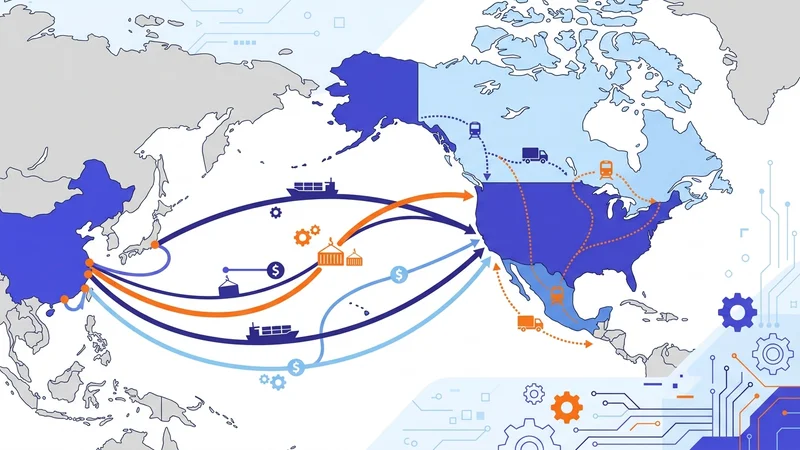
Tariffs are taxes imposed on imported goods, which can lead to higher consumer prices and altered trade dynamics. The recent tariffs imposed by the U.S. have been part of a broader strategy to address perceived unfair trade practices and trade imbalances. However, these tariffs have significant economic implications, including reduced economic growth, increased consumer costs, and potential job losses in sectors like agriculture, automotive, and energy.
Navigating U.S. Tariffs with Technology#
Technology plays a crucial role in helping businesses navigate the complexities of tariffs. Here are some key strategies:
Dynamic Pricing and Price Optimization#
In a tariff-heavy environment, companies need to be agile in their pricing strategies. Dynamic pricing allows businesses to quickly respond to changes in tariff rates and competitor pricing, ensuring they maintain their margins without losing sales. Price optimization tools provide data-driven insights, enabling companies to make informed decisions aligned with their business goals. This approach helps businesses stay competitive by adjusting prices in real-time to reflect changing market conditions.
Supply Chain Visibility and Management#
Enhancing supply chain visibility is essential for navigating tariffs effectively. Real-time data on stock levels, supplier availability, and trade routes helps businesses develop informed contingency plans and make accurate decisions in response to policy shifts. Cloud-based Enterprise Resource Planning (ERP) and Supply Chain Management (SCM) systems are increasingly used to manage these uncertainties. These platforms allow companies to quickly adjust sourcing strategies, optimize inventory, and reroute shipments in response to tariff hikes.
Automation and AI in Supply Chain Management#
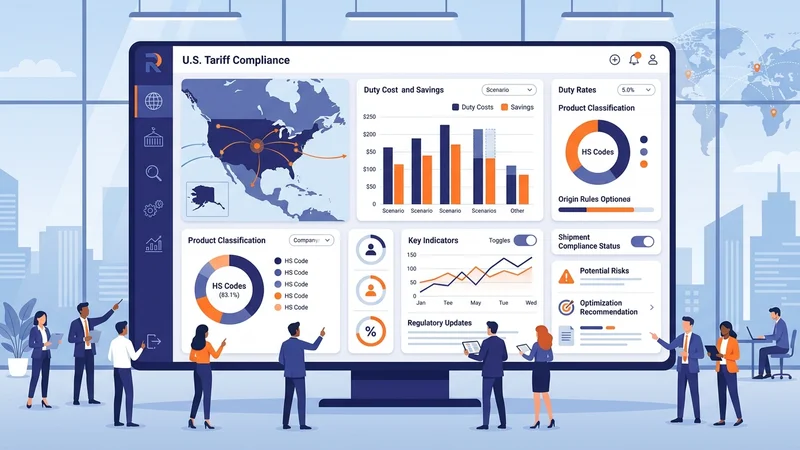
Automation and Artificial Intelligence (AI) are transforming supply chain management by providing real-time insights and enabling strategic pivots due to tariff pressures. AI-driven tools help validate alternate suppliers and trade lanes, measure costs, and justify strategic changes. This technology not only helps businesses adapt to tariffs but also accelerates digital transformation in trade, logistics, and procurement.
Book a call
Strategic Scenario Planning#
In a volatile trade environment, strategic scenario planning is crucial for businesses. By modeling different tariff scenarios, companies can proactively adjust their pricing strategies and supply chain operations. This proactive approach allows businesses to anticipate potential challenges and capitalize on opportunities, ensuring they remain competitive despite tariff uncertainties.
Competitive Advantage through Technology#
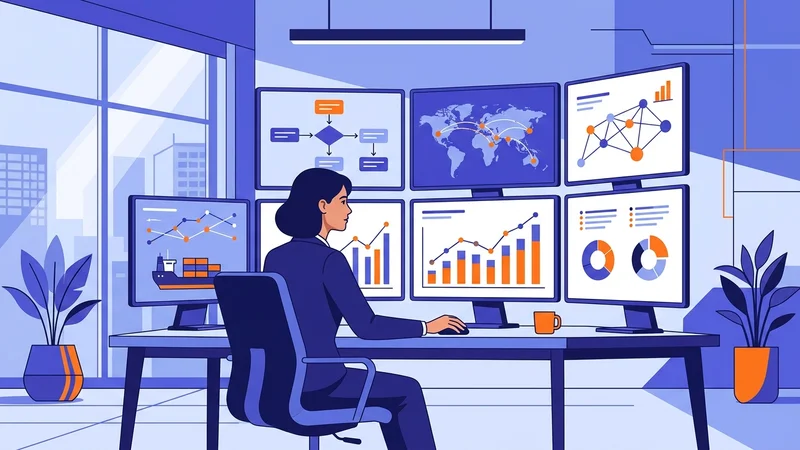
Companies that invest in technology-driven solutions are better positioned to navigate the challenges of tariffs. By embracing flexible pricing systems, enhancing supply chain visibility, and leveraging automation and AI, businesses can maintain their competitive edge. This strategic use of technology not only helps mitigate the impacts of tariffs but also fosters long-term resilience and growth.
Future-Proofing Your Business#
To future-proof against tariff uncertainties, businesses must adopt a forward-thinking approach. This involves:
- Embracing Digital Transformation: Investing in digital technologies to enhance operational efficiency and adaptability.
- Developing Agile Pricing Strategies: Utilizing dynamic pricing and price optimization tools to respond quickly to market changes.
- Enhancing Supply Chain Resilience: Implementing AI and automation to improve supply chain visibility and management.
By focusing on these areas, businesses can not only navigate U.S. tariffs effectively but also emerge stronger and more competitive in the global market.
Tariff Impacts on Economic Growth#
Tariffs have broader economic implications, including potential reductions in GDP and employment. Historical evidence shows that tariffs raise prices and reduce economic output, leading to lower incomes and reduced employment opportunities. However, businesses that leverage technology to adapt to these changes can mitigate these impacts and maintain their competitiveness.
Retaliatory Measures and Global Trade Dynamics#
The imposition of tariffs often leads to retaliatory measures from affected countries, further complicating global trade dynamics. Businesses must be prepared to navigate these complexities by staying informed about trade policies and leveraging technology to adjust their strategies accordingly.
Written by

Mario Meyer is the founder of Reyem Tech and a fractional CTO for owner-run companies in Canada and the US. He has 25+ years of executive and hands-on engineering experience across Laravel, Rails, React, AWS, Azure and Kubernetes, and works with owners on technology strategy, due diligence and getting stuck software projects back on track.
Frequently Asked Questions
What are tariffs and how do they impact businesses?
Tariffs are taxes on imported goods that can lead to higher consumer prices and altered trade dynamics. They impact businesses by affecting profitability and competitiveness.
How can technology help businesses deal with tariffs?
Technology helps businesses by enabling dynamic pricing, enhancing supply chain visibility, and leveraging automation and AI to adapt to tariff changes.
What strategies can businesses use to mitigate the effects of tariffs?
Businesses can use strategies like dynamic pricing, supply chain optimization, automation, and strategic scenario planning to mitigate tariff impacts.
What are the broader economic implications of tariffs?
Tariffs can lead to reduced economic growth, increased consumer costs, and potential job losses, but businesses using technology can mitigate these effects.
How do retaliatory measures from other countries affect global trade dynamics?
Retaliatory measures complicate global trade by creating a cycle of tariffs and counter-tariffs, which businesses must navigate using technology and strategic planning.
What role does digital transformation play in navigating tariff challenges?
Digital transformation enhances operational efficiency and adaptability, allowing businesses to better respond to tariff changes and maintain competitiveness.
How can businesses future-proof against tariff uncertainties?
Businesses can future-proof by embracing digital transformation, developing agile pricing strategies, and enhancing supply chain resilience.